Tàu sân bay Mỹ đến Việt Nam - bước tiến vượt mọi kỳ vọng
Thứ ba, 02/10/2018 - 20:22 (GMT+7)
TCVM - Chuyến thăm của tàu sân bay USS Carl Vinson đến Việt Nam vào đầu năm nay đã đánh dấu lần đầu tiên một tàu sân bay Mỹ cập cảng Việt Nam kể từ năm 1975, sau khi chiến tranh kết thúc.
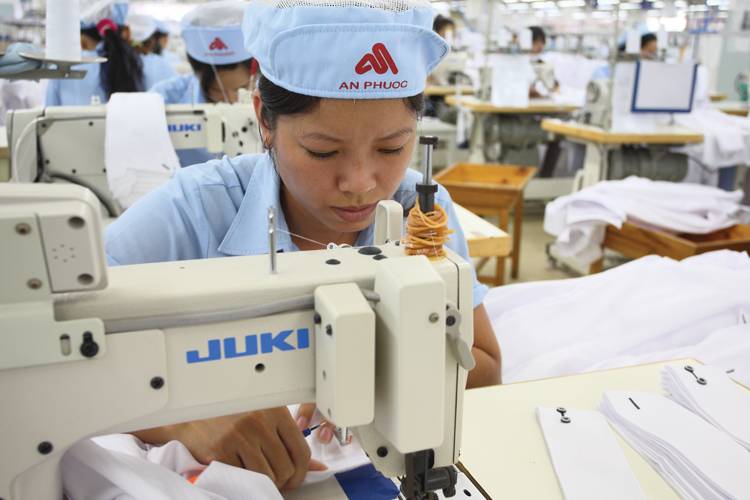
Meanwhile, Vietnam’s footwear industry ranks second in the world, just after China. According to deputy chair of the HCMC Footwear Association Nguyen Van Khanh, Vietnam now has more than 700 manufacturers with 1.5 million workers. Reports showed that FDI capital into the textile & garment industry began increasing when Vietnam began negotiations for TPP membership. In 2014-2015, foreign investors pledged investment capital of $1.75 billion and $2.6 billion, respectively. In 2017, when the US withdrew from TPP, FDI capital into the field dropped to $651.4 million. However, CPTPP and EVFTA have helped FDI bounce back.The US is the biggest export market for Vietnam’s textiles and garments, followed by the EU, Japan and South Korea. A report of the Vietnam Textile & Apparel Association (Vitas) showed that of $31 billion worth of textile and garment export turnover last year, $12.8 billion was from the US.Nguyen Binh An, secretary general of the Vietnam Cotton and Spinning Association (Vcosa), is optimistic about the future of the textile & garment industry as international conditions are now favorable for the development. The trade tensions between the US and China is also expected to lend Vietnam a hand to boost exports to the US which would replace Chinese products in the vast market. The trade war would also drive FDI flow in the world to Vietnam. Observers said the enterprises from Japan, South Korea and China are seeking opportunities in Vietnam to diversify their investment projects.An also said that the trade war would increase motivation for investment flow to head for ASEAN, including Vietnam. China currently makes up 40 percent of the total textile & garment export turnover globally, while Vietnam only accounts for 3 percent.Chinese enterprises now are relocating more production to Africa, East Asia. Vietnam is a good choice among ASEAN countries thanks to cultural similarities.As for the footwear industry, the HCMC Footwear Association has recently received many foreign investors who asked for advice on where to invest.“We recommend that they invest in projects to make input materials for footwear industry. At present, 75-85 percent of input materials needed are imports,” he said.The US is the biggest export market for Vietnam’s textiles and garments, followed by the EU, Japan and South Korea. A report of the Vietnam Textile & Apparel Association (Vitas) showed that of $31 billion worth of textile and garment export turnover last year, $12.8 billion was from the US.Nguyen Binh An, secretary general of the Vietnam Cotton and Spinning Association (Vcosa), is optimistic about the future of the textile & garment industry as international conditions are now favorable for the development.The trade tensions between the US and China is also expected to lend Vietnam a hand to boost exports to the US which would replace Chinese products in the vast market. The trade war would also drive FDI flow in the world to Vietnam. Observers said the enterprises from Japan, South Korea and China are seeking opportunities in Vietnam to diversify their investment projects.An also said that the trade war would increase motivation for investment flow to head for ASEAN, including Vietnam. China currently makes up 40 percent of the total textile & garment export turnover globally, while Vietnam only accounts for 3 percent.Chinese enterprises now are relocating more production to Africa, East Asia. Vietnam is a good choice among ASEAN countries thanks to cultural similarities.As for the footwear industry, the HCMC Footwear Association has recently received many foreign investors who asked for advice on where to invest.“We recommend that they invest in projects to make input materials for footwear industry. At present, 75-85 percent of input materials needed are imports,” he said.The US is the biggest export market for Vietnam’s textiles and garments, followed by the EU, Japan and South Korea. A report of the Vietnam Textile & Apparel Association (Vitas) showed that of $31 billion worth of textile and garment export turnover last year, $12.8 billion was from the US.Nguyen Binh An, secretary general of the Vietnam Cotton and Spinning Association (Vcosa), is optimistic about the future of the textile & garment industry as international conditions are now favorable for the development.The trade tensions between the US and China is also expected to lend Vietnam a hand to boost exports to the US which would replace Chinese products in the vast market. The trade war would also drive FDI flow in the world to Vietnam. Observers said the enterprises from Japan, South Korea and China are seeking opportunities in Vietnam to diversify their investment projects.An also said that the trade war would increase motivation for investment flow to head for ASEAN, including Vietnam. China currently makes up 40 percent of the total textile & garment export turnover globally, while Vietnam only accounts for 3 percent.Chinese enterprises now are relocating more production to Africa, East Asia. Vietnam is a good choice among ASEAN countries thanks to cultural similarities.As for the footwear industry, the HCMC Footwear Association has recently received many foreign investors who asked for advice on where to invest.“We recommend that they invest in projects to make input materials for footwear industry. At present, 75-85 percent of input materials needed are imports,” he said.The US is the biggest export market for Vietnam’s textiles and garments, followed by the EU, Japan and South Korea. A report of the Vietnam Textile & Apparel Association (Vitas) showed that of $31 billion worth of textile and garment export turnover last year, $12.8 billion was from the US.Nguyen Binh An, secretary general of the Vietnam Cotton and Spinning Association (Vcosa), is optimistic about the future of the textile & garment industry as international conditions are now favorable for the development.The trade tensions between the US and China is also expected to lend Vietnam a hand to boost exports to the US which would replace Chinese products in the vast market. The trade war would also drive FDI flow in the world to Vietnam. Observers said the enterprises from Japan, South Korea and China are seeking opportunities in Vietnam to diversify their investment projects.An also said that the trade war would increase motivation for investment flow to head for ASEAN, including Vietnam. China currently makes up 40 percent of the total textile & garment export turnover globally, while Vietnam only accounts for 3 percent.Chinese enterprises now are relocating more production to Africa, East Asia. Vietnam is a good choice among ASEAN countries thanks to cultural similarities.As for the footwear industry, the HCMC Footwear Association has recently received many foreign investors who asked for advice on where to invest.“We recommend that they invest in projects to make input materials for footwear industry. At present, 75-85 percent of input materials needed are imports,” he said.The US is the biggest export market for Vietnam’s textiles and garments, followed by the EU, Japan and South Korea. A report of the Vietnam Textile & Apparel Association (Vitas) showed that of $31 billion worth of textile and garment export turnover last year, $12.8 billion was from the US.
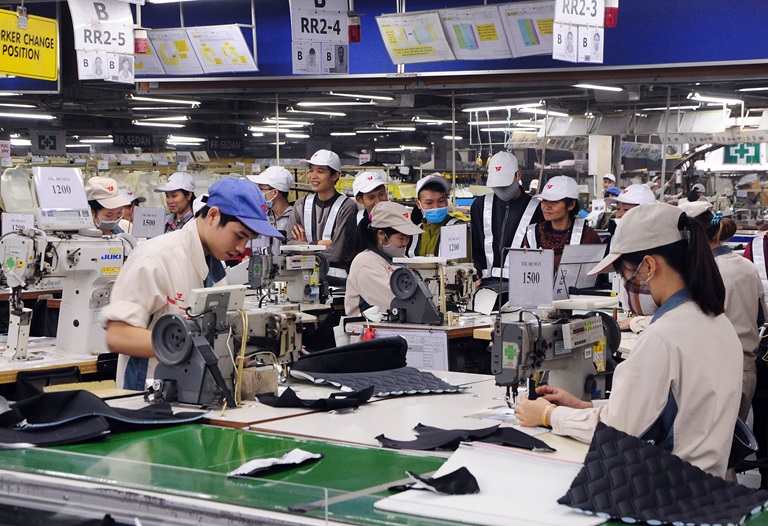
Meanwhile, Vietnam’s footwear industry ranks second in the world, just after China. According to deputy chair of the HCMC Footwear Association Nguyen Van Khanh, Vietnam now has more than 700 manufacturers with 1.5 million workers. Reports showed that FDI capital into the textile & garment industry began increasing when Vietnam began negotiations for TPP membership. In 2014-2015, foreign investors pledged investment capital of $1.75 billion and $2.6 billion, respectively. In 2017, when the US withdrew from TPP, FDI capital into the field dropped to $651.4 million. However, CPTPP and EVFTA have helped FDI bounce back.The US is the biggest export market for Vietnam’s textiles and garments, followed by the EU, Japan and South Korea. A report of the Vietnam Textile & Apparel Association (Vitas) showed that of $31 billion worth of textile and garment export turnover last year, $12.8 billion was from the US.Nguyen Binh An, secretary general of the Vietnam Cotton and Spinning Association (Vcosa), is optimistic about the future of the textile & garment industry as international conditions are now favorable for the development. The trade tensions between the US and China is also expected to lend Vietnam a hand to boost exports to the US which would replace Chinese products in the vast market. The trade war would also drive FDI flow in the world to Vietnam. Observers said the enterprises from Japan, South Korea and China are seeking opportunities in Vietnam to diversify their investment projects.An also said that the trade war would increase motivation for investment flow to head for ASEAN, including Vietnam. China currently makes up 40 percent of the total textile & garment export turnover globally, while Vietnam only accounts for 3 percent.Chinese enterprises now are relocating more production to Africa, East Asia. Vietnam is a good choice among ASEAN countries thanks to cultural similarities.As for the footwear industry, the HCMC Footwear Association has recently received many foreign investors who asked for advice on where to invest.“We recommend that they invest in projects to make input materials for footwear industry. At present, 75-85 percent of input materials needed are imports,” he said.The US is the biggest export market for Vietnam’s textiles and garments, followed by the EU, Japan and South Korea. A report of the Vietnam Textile & Apparel Association (Vitas) showed that of $31 billion worth of textile and garment export turnover last year, $12.8 billion was from the US.Nguyen Binh An, secretary general of the Vietnam Cotton and Spinning Association (Vcosa), is optimistic about the future of the textile & garment industry as international conditions are now favorable for the development.The trade tensions between the US and China is also expected to lend Vietnam a hand to boost exports to the US which would replace Chinese products in the vast market. The trade war would also drive FDI flow in the world to Vietnam. Observers said the enterprises from Japan, South Korea and China are seeking opportunities in Vietnam to diversify their investment projects.An also said that the trade war would increase motivation for investment flow to head for ASEAN, including Vietnam. China currently makes up 40 percent of the total textile & garment export turnover globally, while Vietnam only accounts for 3 percent.Chinese enterprises now are relocating more production to Africa, East Asia. Vietnam is a good choice among ASEAN countries thanks to cultural similarities.As for the footwear industry, the HCMC Footwear Association has recently received many foreign investors who asked for advice on where to invest.“We recommend that they invest in projects to make input materials for footwear industry. At present, 75-85 percent of input materials needed are imports,” he said.The US is the biggest export market for Vietnam’s textiles and garments, followed by the EU, Japan and South Korea. A report of the Vietnam Textile & Apparel Association (Vitas) showed that of $31 billion worth of textile and garment export turnover last year, $12.8 billion was from the US.Nguyen Binh An, secretary general of the Vietnam Cotton and Spinning Association (Vcosa), is optimistic about the future of the textile & garment industry as international conditions are now favorable for the development.The trade tensions between the US and China is also expected to lend Vietnam a hand to boost exports to the US which would replace Chinese products in the vast market. The trade war would also drive FDI flow in the world to Vietnam. Observers said the enterprises from Japan, South Korea and China are seeking opportunities in Vietnam to diversify their investment projects.An also said that the trade war would increase motivation for investment flow to head for ASEAN, including Vietnam. China currently makes up 40 percent of the total textile & garment export turnover globally, while Vietnam only accounts for 3 percent.Chinese enterprises now are relocating more production to Africa, East Asia. Vietnam is a good choice among ASEAN countries thanks to cultural similarities.As for the footwear industry, the HCMC Footwear Association has recently received many foreign investors who asked for advice on where to invest.“We recommend that they invest in projects to make input materials for footwear industry. At present, 75-85 percent of input materials needed are imports,” he said.The US is the biggest export market for Vietnam’s textiles and garments, followed by the EU, Japan and South Korea. A report of the Vietnam Textile & Apparel Association (Vitas) showed that of $31 billion worth of textile and garment export turnover last year, $12.8 billion was from the US.Nguyen Binh An, secretary general of the Vietnam Cotton and Spinning Association (Vcosa), is optimistic about the future of the textile & garment industry as international conditions are now favorable for the development.The trade tensions between the US and China is also expected to lend Vietnam a hand to boost exports to the US which would replace Chinese products in the vast market. The trade war would also drive FDI flow in the world to Vietnam. Observers said the enterprises from Japan, South Korea and China are seeking opportunities in Vietnam to diversify their investment projects.An also said that the trade war would increase motivation for investment flow to head for ASEAN, including Vietnam. China currently makes up 40 percent of the total textile & garment export turnover globally, while Vietnam only accounts for 3 percent.Chinese enterprises now are relocating more production to Africa, East Asia. Vietnam is a good choice among ASEAN countries thanks to cultural similarities.As for the footwear industry, the HCMC Footwear Association has recently received many foreign investors who asked for advice on where to invest.“We recommend that they invest in projects to make input materials for footwear industry. At present, 75-85 percent of input materials needed are imports,” he said.The US is the biggest export market for Vietnam’s textiles and garments, followed by the EU, Japan and South Korea. A report of the Vietnam Textile & Apparel Association (Vitas) showed that of $31 billion worth of textile and garment export turnover last year, $12.8 billion was from the US.
banbientap
Tag (S):